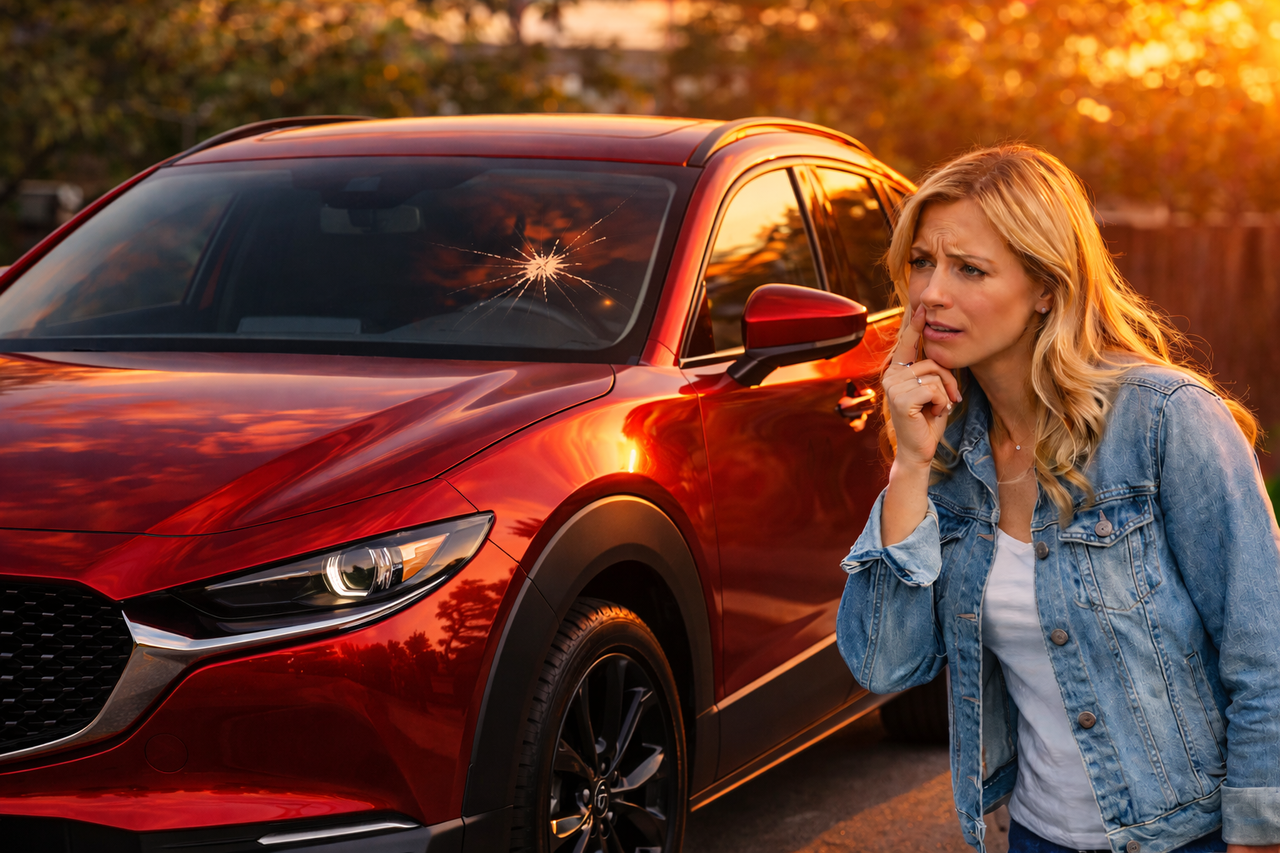
Most drivers in High Point don’t think much about their windshield until a rock pops up on Business 85 or an overnight frost reveals a crack you swear wasn’t there yesterday. Yet that sheet of laminated glass does more than keep bugs and wind out. It adds structural support, anchors the passenger airbag, and protects your sightline at highway speeds. When it’s damaged, the question isn’t just “Can I live with this?” It’s whether the glass can still do its job when things get messy, like during a sudden lane change or a deer strike on a dark road near Oak Hollow.
After years working around high point auto glass, I’ve learned that the right call often comes down to a handful of practical signs. Some defects are cosmetic annoyances you can safely repair. Others mean it’s time to plan a windshield replacement high point drivers can trust in all weather. The difference isn’t always obvious at a glance, especially with modern sensors and safety systems tied to the glass. Here’s how to evaluate what you’re seeing, what matters from a safety standpoint, and how local options like mobile auto glass high point services can save time without cutting corners.
Why even “small” windshield damage matters
A windshield isn’t a single pane of glass. It’s two layers of tempered glass bonded to a plastic interlayer. This lamination keeps the glass from shattering and helps it flex, absorb impact, and stay in place during a crash. When the sheet is intact, it can support up to 45 percent of a vehicle’s cabin strength in a frontal collision and more than half in a rollover, depending on the model. It also provides a firm surface for the passenger airbag to deploy against, which is why improper installations or weak adhesive can become life-or-death issues.
When a chip exposes or stresses the interlayer, that strength is compromised. Moisture can migrate into the damaged area, heat worsens it, and temperature swings turn a dime-sized pit into a creeping crack. North Carolina’s mild winters still deliver enough freeze-thaw cycles to magnify these defects. If you park outside and use a defroster on a cold morning, damaged glass expands unevenly, which is how a star break becomes a jagged seam across your line of sight by the time you reach Wendover.
Clear signs it’s time to replace, not repair
Technicians look at four main factors: size, location, type, and the number of defects. If the damage falls outside accepted repair guidelines, replacement is the safe route.
- Size and length: Chips larger than a quarter or cracks longer than about 3 inches usually push past reliable repair territory. Some advanced resins can stabilize longer cracks, but the result often leaves optical distortion and residual weakness. Once a crack passes 6 inches, replacement is almost always recommended. Location: Anything directly in the driver’s primary field of view should be replaced. Even a well-executed repair can leave a faint blur or light refraction that becomes a hazard in rain or at night. Damage that touches the very edge of the windshield also calls for replacement, because the edges are critical to structural strength and adhesive bonding. Type: Bullseye chips and small star breaks often repair cleanly. Long, curving cracks, multiple intersecting cracks, or damage that splinters into several legs generally won’t. If you see crushed glass around the impact point, the interlayer may be compromised. Quantity: Three or more separate chips on the same pane hints at widespread stress. At that point, you are dealing with more than a single impact site, and the windshield’s integrity becomes suspect.
If your windshield has an ADAS camera for lane keeping, collision avoidance, or automatic high beams, the threshold for replacement can be lower. Cameras and lidar units read through the glass, and even minor distortion can degrade their accuracy. After a windshield replacement high point drivers with ADAS features should expect calibration, which a qualified shop will do with factory targets or dynamic road testing.
When a repair is the smarter call
Not every blemish means a new windshield. A clean, round stone chip smaller than a quarter, away from the edges and outside the driver’s critical view, can usually be sealed with resin. This restores much of the strength and keeps the damage from spreading. The repair is quick, sometimes 30 minutes, and you drive away immediately. Many auto glass repair high point teams even handle it in your driveway if you schedule mobile service.
A repair makes sense when you need to:
- Stop the spread: Stabilize a crack before summer heat or an upcoming road trip. Preserve the factory seal: Original windshields are bonded at the factory under ideal conditions. If the damage is minor and repairable, keeping the OE glass is often best. Save money: Repairs are usually less than a hundred dollars, sometimes covered by insurance with no deductible.
Here’s the catch. Repairs won’t make the scar disappear entirely. You’ll still see a faint blemish, especially in bright light. If cosmetics matter or if the mark is in the wiper path where glare can be distracting at night, weigh that trade-off. Also, once a shop begins a repair, hidden cracks can spread, which forces a replacement anyway. Good technicians warn customers about this edge case before they start.
Weather, roads, and the “High Point effect”
Local conditions matter. The Piedmont sees quick swings from warm afternoons to chilly nights, and that thermal cycling aggravates marginal chips. I’ve seen a small pit survive weeks of rain, only to split while parked overnight before a cold morning commute.
Driving patterns play a role too. The bypass and I-74 construction zones throw up debris at higher rates than neighborhood streets. Gravel trucks on 311 are a constant source of pea-sized missiles. If you commute these routes daily, consider getting borderline chips repaired quickly and plan for a more proactive approach. With same day auto glass high point services, you can often book a lunchtime repair before that chip evolves into a replacement-level crack by the weekend.
How to judge visibility and safety from the driver’s seat
Before you call anyone, evaluate from inside the car. Sit in your normal driving position on a bright day. Look straight ahead through the damage, then check it at night under streetlights if you can. If the defect bends light, creates a halo around oncoming headlights, or draws your eye while you scan mirrors, treat that as a safety issue. Even if the damage falls within repair size limits, the visual distortion might still justify a new windshield.
Pay attention to the wiper sweep. Any damage in the primary wiper path sees constant pressure and micro-abrasion. That area also gets frequent temperature extremes from the defroster, which accelerates spreading. In practice, a chip in the lower passenger corner may stay stable for months, while the same chip near the driver’s wiper track can snake into a crack in a week.
Modern features that turn a simple swap into a precision job
Windshields on late-model vehicles are part of a larger system. If your car has any of the following, mention it when scheduling auto glass replacement high point shops, because it affects glass choice and calibration:
- Forward-facing camera behind the rearview mirror for lane keeping and collision alerts. Rain sensor, typically a black square or rounded shape near the mirror mount. Heated wiper park area or full windshield heating elements. Acoustic glass, often described as “sound screen” in window etching. Heads-up display that projects speed onto the glass.
Why this matters: the replacement glass must match those features. A non-acoustic pane can raise cabin noise by a few decibels. The wrong bracket can block a camera. If a shop installs the correct windshield but skips ADAS calibration, your driver assist may underperform or disable itself. A complete, professional windshield replacement high point service includes pre-scan, proper urethane adhesives with the right safe drive-away time, and post-replacement calibration.
Repair versus replacement costs and insurance realities
In this market, a standard laminated windshield runs anywhere from 250 to 600 dollars for parts and labor depending on vehicle make and options. Luxury and ADAS-heavy vehicles can push the total into the 900 to 1,500 dollar range, driven by the glass itself and calibration time. Repairs are far cheaper, usually 80 to 150 dollars.
Comprehensive insurance often covers auto glass repair high point claims with low or zero deductible, especially for repairs. Replacements depend on your policy. Some carriers partner with networks, but North Carolina drivers generally have the right to choose their shop. If you prefer a local high point auto glass specialist with strong reviews, tell your carrier. A good shop will help with the claim and document the calibration results for your records.
What to expect from mobile service versus shop visits
Mobile auto glass high point technicians handle a large share of windshields on-site, at homes or workplaces. It’s convenient and, when done properly, just as safe. The two keys are environment and cure time. Urethane adhesives cure by moisture and temperature, and most have a safe drive-away time listed by the manufacturer. On a mild day, that might be 30 to 60 minutes. On a cold or damp day, it could be longer. Professional installers check these variables and won’t rush you back on the road prematurely.
Shop installations offer controlled conditions, better for extreme weather and for vehicles that need static ADAS calibration with targets and level floors. If your car needs both static and dynamic calibration, expect a shop visit or a mobile team equipped with portable calibration systems and enough space to set them up.
If you just need a passenger window or a back glass, car window repair high point work is almost always feasible as mobile service. Replacement for side windows is straightforward, but rear windows with embedded defrosters require precise handling and cleanup of broken tempered glass. Same-day booking is common if you call in the morning, especially for popular makes.
Timing: when “later” becomes risky
What you can safely delay for a week: a tiny chip away from the edges and outside the wiper path, especially if you can keep the car out of the sun and avoid big temperature swings.
What you should move on within a day or two: any crack showing growth, chips with radiating legs, or trouble spots across the driver’s view. A hot afternoon, a speed bump, or a cold night can turn borderline damage into a deep crack that eliminates the option of windshield repair high point shops might have offered.
What qualifies as urgent: a spiderweb crack across the driver’s field, large impact damage that shows white or milky interlayer, or any defect that compromises the area around the mirror and sensor cluster. If you’re leaving town or expecting heavy rain, consider emergency auto glass high point service. A compromised windshield can leak, saturate headliners, and harm electronics, which adds bigger bills than a timely replacement.
What a thorough installer does that you can’t see from the curb
You can tell a lot from the prep. The best technicians start by protecting your vehicle’s paint and dash, then remove trim without snapping clips. They cut out the old urethane cleanly, leaving a thin layer to bond with the fresh adhesive, which promotes a chemical link stronger than scraping to bare metal. They dry-fit the new glass, verify part numbers for your features, and clean the pinch weld. Before laying urethane, they apply primer where needed and use the correct bead shape and width, typically a V-bead that ensures uniform compression.
After setting the glass, they check alignment at the A-pillars and cowl, reinstall trim, and run a leak test. If your vehicle needs calibration, they perform it and document results. I’ve watched replacements where this last step is treated as optional. It isn’t. If a shop shrugs off calibration, keep looking. Proper auto glass replacement high point service should be willing to explain their process in plain language.
A few real-world examples
A delivery driver with a three-inch crack near the passenger side delayed for a week to keep routes going. By Friday, daily heat and air conditioning cycles turned it into a nine-inch curve into the wiper path. The initial 120-dollar repair became a 450-dollar replacement, plus a morning off the road.
A commuter with a small chip centered behind the mirror on a Honda saw no glare in daylight. At night, the chip created a halo that made lane markings fuzzy. Even though the damage was repairable in theory, a replacement with camera calibration restored clarity and confidence. Sometimes “repairable” isn’t the same as “best for the driver.”
A new SUV owner insisted on keeping the factory windshield. The chip was small, repair-friendly, and outside the camera zone. Resin filled it cleanly, saved the OE seal, and left only a faint dot. That was a textbook case for windshield repair high point technicians handle every day with good results.
How to choose a shop without overthinking it
Five questions cut through most marketing claims:
- Do you perform ADAS calibration in-house or with a trusted partner, and can I see the report? Which urethane do you use, and what is the safe drive-away time today given weather conditions? Will you match the glass features on my vehicle, including acoustic layers, heating elements, and sensor brackets? What warranty covers leaks, stress cracks, and workmanship, and how long does it last? Can you provide same day auto glass high point service if I book before noon, and what would push it to next day?
Listen for specifics. Vague answers like “we use the best materials” don’t help. If they name a reputable urethane brand, discuss cure times, and talk you through dynamic versus static calibration, you’re on solid ground. For car window replacement high point work on doors or rear glass, ask about cleanup and whether they’ll extract glass from window channels and door cavities. Good shops vacuum and blow out debris so you don’t hear tinkling in the door for weeks.
DIY fixes, myths, and what actually works
The internet is full of windshield “hacks.” Clear nail polish buys time, but it’s a stopgap that doesn’t restore structure or seal the interlayer. Dollar store repair kits can stabilize a small chip in a pinch if you follow instructions, use them in shade, and keep everything bone dry. They won’t address long cracks or edge damage, and poor technique can trap air that makes a professional repair less effective later.
Taping over damage keeps dirt out briefly, useful if you’re driving straight to a shop. Avoid car washes and pressure washers before a repair. Heat guns and boiling water are a bad idea. If you must use the defroster on a cold morning, start low and let the glass warm gradually, especially if you’re nursing a chip to a repair appointment.
What to expect after a replacement
Plan to avoid slamming doors for a day. A hard slam pressurizes the cabin and can disturb fresh urethane before it fully cures. Leave a window cracked a half inch if the weather allows. Skip harsh car washes for 48 hours and avoid pothole hunting on High Point Road. If you hear wind noise at highway speeds or see water intrusion, call the shop right away. Good installers welcome the chance to fix a seal or re-seat trim rather than risking a leak that damages electronics.
For vehicles with ADAS, confirm that warning lights clear and that features like lane keeping and automatic high beams behave normally. If a camera view looks misaligned or a system throws an error, drive back for a re-check. Calibration is precise work, and it’s worth getting perfect.
Window damage beyond the windshield
Side and rear windows are tempered glass. When they fail, they shatter into pellets. Car window repair high point services usually involve full replacement rather than repair, plus thorough cleanup. If your rear defroster lines are damaged, replacing the glass is High Point auto glass repair the only durable fix. Tinted windows can be re-tinted after replacement, and some shops will coordinate that for you. If the break accompanies a break-in, ask about vacuuming seat rails and under-seat areas, where glass hides and cuts shoes or pet paws later.
For drivers who need to get back on the road fast, same day auto glass high point teams keep popular side windows in stock, though rare models may require next-day sourcing. If your vehicle is stranded in a parking lot overnight, emergency auto glass high point service can board it up securely until the new glass arrives.
The bottom line for High Point drivers
If you’re looking at a clean chip smaller than a quarter, away from the edges and outside the wiper path, get it repaired soon and carry on. If it’s longer, creeping, near the edges, or anywhere that distorts your view, plan for a windshield replacement high point shops can handle in a few hours with proper adhesives and calibration.
Treat ADAS calibration as part of the job, not a nice-to-have. Ask about materials and safe drive-away time. Use mobile service when it makes sense, and opt for a shop visit when weather is extreme or your car’s camera systems need static calibration. Insurance can soften the cost, and you retain the right to choose a shop with a strong track record.
A windshield doesn’t ask for attention until it’s damaged. When it does, your judgment in the next 24 to 48 hours often decides whether you’ll live with a small blemish or face a larger bill and added downtime. With the right call and a competent auto glass replacement high point team, you get back a clear view, a safe cabin, and one less thing tugging at your attention mile after mile.